
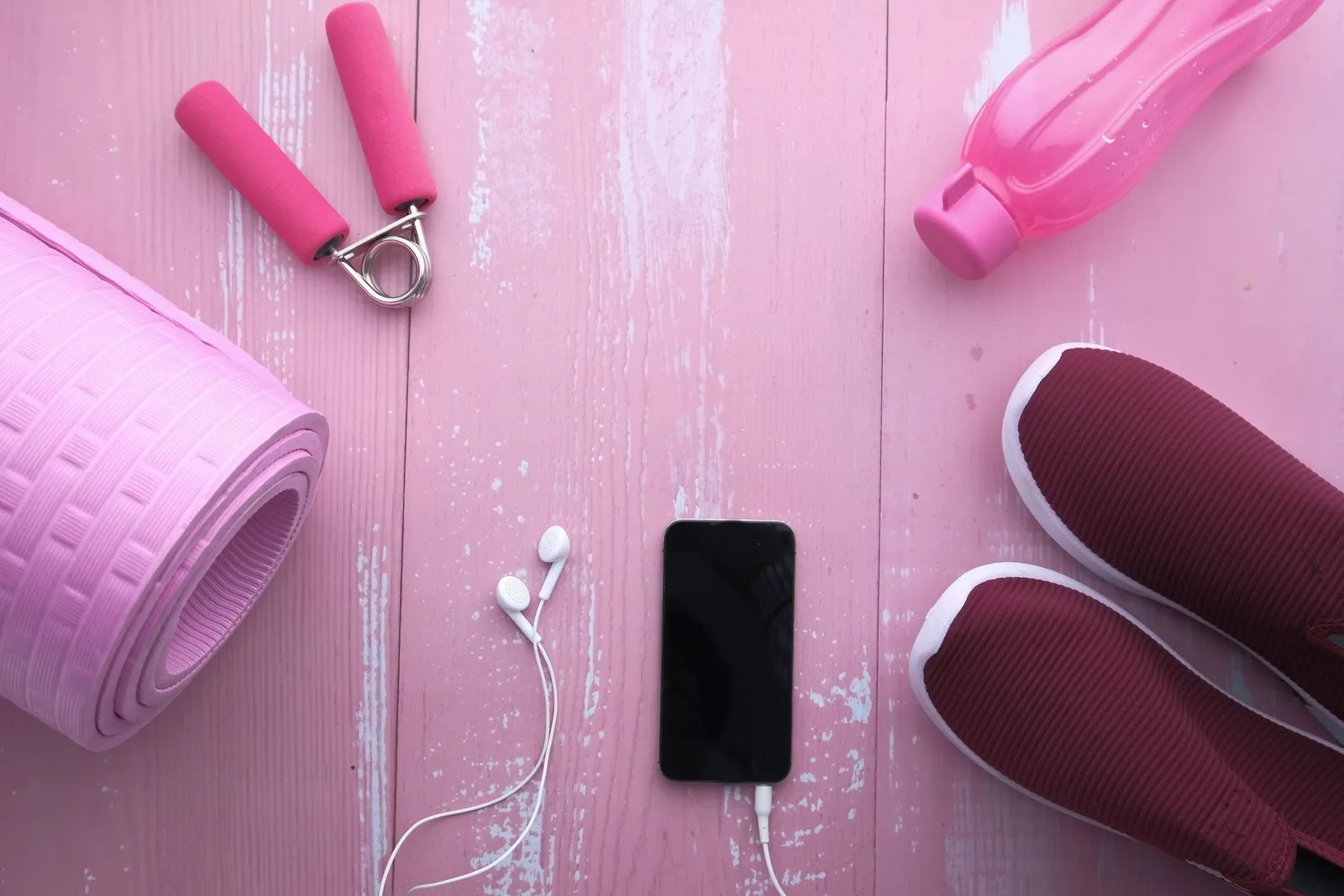
Starting strength training does not require complicated equipment or exhausting workouts. Focus first on learning how to move well, choosing a weight you can control, and repeating a simple routine consistently. These habits help you build confidence while giving your body time to adapt. Whether you train at home or in a gym, begin with a few basic movement patterns and adjust the plan to your experience, available equipment, and comfort.
Learn The Main Movement Patterns
A balanced beginner routine can include a squat, a hip hinge, a push, a pull, and a core exercise. Examples include bodyweight squats, glute bridges, wall or incline pushups, resistance-band rows, and dead bugs. These movements train several areas of the body without requiring a long list of exercises. Choose variations that feel stable and let you move through a comfortable range.
Practice each movement slowly before adding resistance. Keep your feet planted during squats, bend at the hips during a hinge, and avoid forcing your back into an uncomfortable position. For a push or pull, move with control rather than swinging. A mirror or a short video can help you check your position, but stop if you feel sharp pain or unusual discomfort.
Choose Weights You Can Control
Start with bodyweight or a light resistance that lets you complete each repetition with steady form. The final repetitions may feel challenging, but you should not need to hold your breath, jerk the weight, or change your position to finish. If your form slips, reduce the weight, shorten the set, or choose an easier variation.
A practical starting point is one or two sets of about eight to twelve controlled repetitions for each exercise. Rest long enough to regain your breath and feel ready to move well again. As the exercises become easier, add a few repetitions or a small amount of resistance—not both at once. Keep a simple record of exercises, weights, and repetitions so you can notice gradual progress.
Build A Routine You Can Repeat
Plan two or three nonconsecutive strength sessions each week, leaving recovery time between workouts that train the same muscles. A full-body session can fit into a short, manageable schedule: warm up with a few minutes of easy movement, complete your selected exercises, then finish without rushing. Consistency matters more than trying to do a demanding workout every day.
Set a realistic time and place for training, and prepare any equipment beforehand. If a busy week disrupts your plan, do a shorter session rather than treating the routine as failed. You can also start with two sessions and add another only when you are recovering well and can keep the schedule comfortably.
Recover And Progress Gradually
Some muscle tiredness after a new workout is common, but sharp pain, worsening discomfort, or symptoms that affect everyday movement are reasons to stop and seek appropriate guidance. Sleep, regular meals, water, and rest days support recovery. Warm up before lifting, and avoid testing your maximum strength while you are still learning technique.
Make progress by changing one small detail at a time: add a repetition, use slightly more resistance, or choose a more challenging version of an exercise. Keep the movement smooth and repeatable before advancing. If you have an injury, ongoing health concern, or uncertainty about an exercise, check with a qualified health professional or trainer for advice suited to you.
Begin with simple exercises, light resistance, and a schedule you can maintain. Practice controlled repetitions, give yourself time to recover, and make gradual changes as your strength improves. If you would like help choosing beginner-friendly exercises or checking your technique, Dublin Strong can help you plan a practical starting point.