
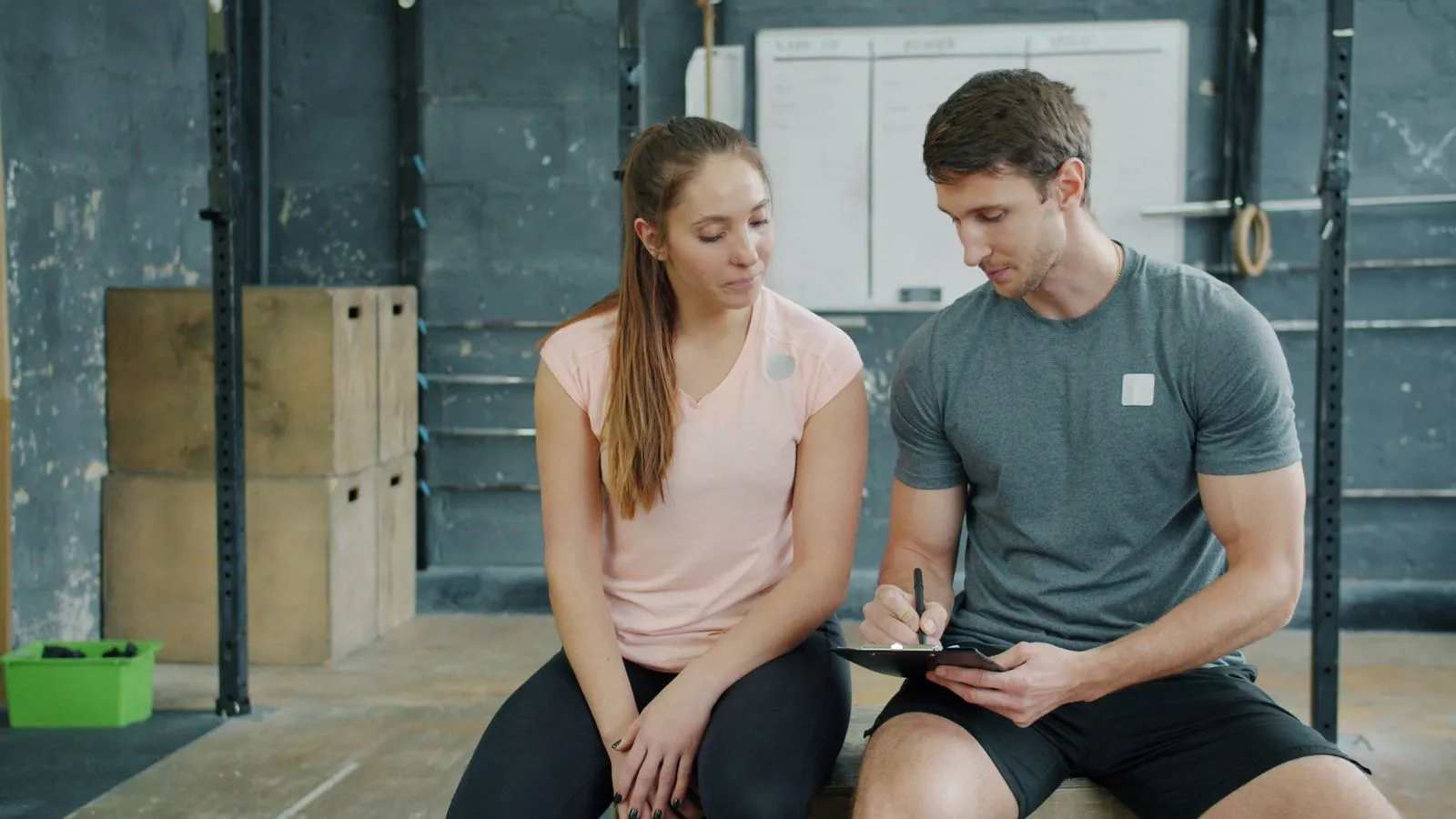
Your first personal training session is usually about understanding where you are and what you want to achieve—not proving how fit you are. A trainer may ask about your goals, exercise experience, health history, and daily routine before choosing suitable movements. You may also try a few basic exercises to help the trainer see how you move. Knowing what to expect can make the meeting feel more comfortable and help you leave with a clear idea of the next steps.
Start With Your Goals
Expect a conversation about what brought you to training. You might want to build strength, improve stamina, move more comfortably, return to exercise, or establish a consistent routine. Share what matters most to you, along with any specific activities you hope to do more easily. A trainer can use these details to shape a plan that fits your priorities rather than relying on a generic workout.
It helps to be realistic about your schedule and preferences. Tell the trainer how often you can train, what kinds of exercise you enjoy or dislike, and what might make it hard to stay consistent. You do not need a perfect goal or a detailed plan beforehand. Your trainer can help turn a broad aim into manageable milestones and adjust them as you learn what works.
Review Your Fitness History
Your trainer may ask about past and current exercise, including activities you do outside the gym. Be ready to mention how long you have been active, what routines you have tried, and what you found helpful or difficult. This context helps the trainer choose an appropriate starting point and avoid assuming that everyone has the same experience or comfort level.
Share relevant health information, injuries, recurring pain, medications that affect exercise, or guidance you have received from a health professional. Mention movements or activities that cause discomfort. A trainer is not a substitute for medical care, so ask a qualified health professional about symptoms or concerns that need assessment. Clear communication helps keep exercise choices more appropriate to your situation.
Try Basic Movement
Some first sessions include a simple movement review. The trainer might ask you to perform basic actions such as a bodyweight squat, a step, or an arm raise, then observe your balance, range of motion, and comfort. This is not a pass-or-fail test. It gives the trainer useful information for selecting exercises, adjusting technique, and deciding whether to begin with simpler variations.
You may also do a brief, low-intensity workout to experience the trainer’s coaching style. Expect instructions on setup, posture, and how an exercise should feel. Speak up if you feel pain, dizziness, unusual shortness of breath, or uncertainty about a movement. You can ask for a pause, an easier option, or an explanation at any point; a good session should leave room for questions and feedback.
Agree on Next Steps
Before you leave, talk through what the trainer learned and how that information will shape your plan. You might discuss exercise choices, session frequency, and one or two habits to practice between appointments. Ask how progress will be reviewed and how the plan can change if your schedule, energy, or goals shift. Clear expectations make it easier to know what you are working toward.
Wear comfortable clothing and shoes that let you move, and bring water if you normally use it during exercise. Arrive with enough time to settle in, and consider writing down questions in advance. Afterward, note how the session felt and share any soreness or concerns before your next workout. At Dublin Strong, you can ask about the training process before deciding whether it suits you.
A first session is a chance to share your goals, discuss your history, and try movement at a pace that feels appropriate. Be open about what you need, ask questions, and speak up about discomfort. If you are ready to explore a plan that fits your routine, contact a personal trainer to discuss your next steps.